
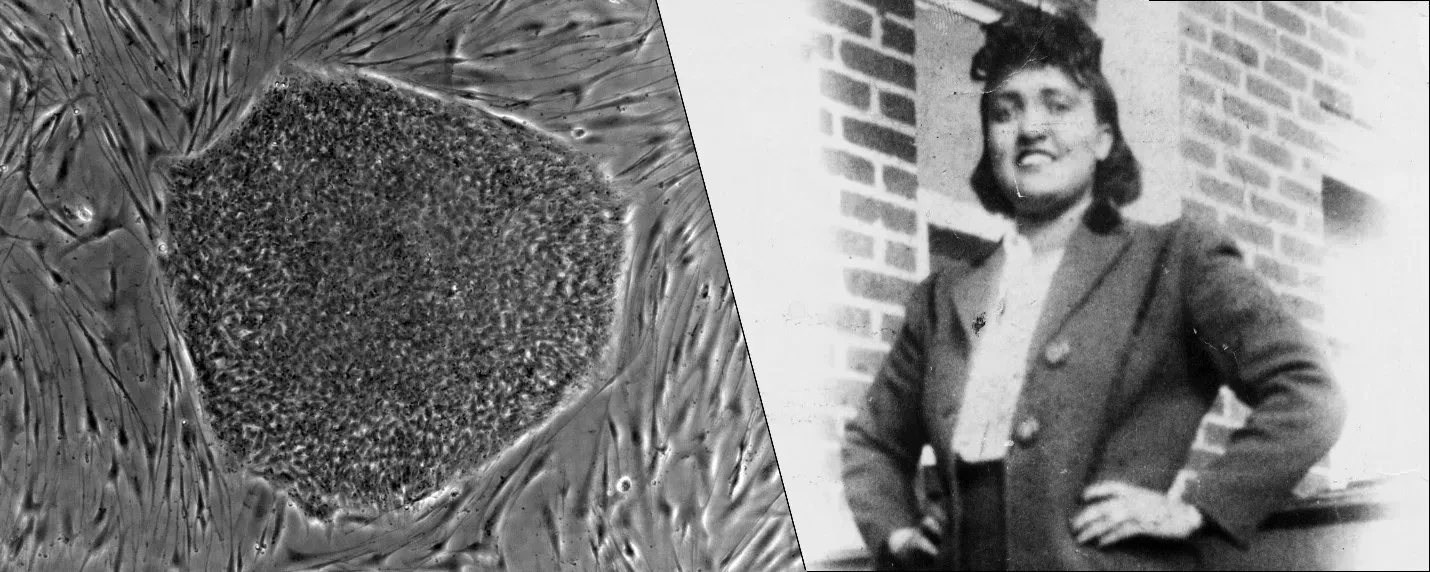
HeLa (/ˈhiːlɑː/; also Hela or hela) is an immortalized cell line used in scientific research. It is the oldest and most commonly used human cell line in research.
Imagine this scenario:
One day, you discover that a simple DNA test you took years ago to learn about your ancestry, or to get a better diet plan, has been used for extensive scientific research that created a therapy or cure for a disease you are suffering from, but you cannot access it because it is beyond your financial reach. Since then, your DNA has contributed to advances in numerous diseases and paved the way for profitable pharmaceutical products. Yet despite the considerable financial gains made by these corporations, you and your family have not received a cent either. The worst part is that you actually agreed to that deal by not reading the DNA test's terms of use. What would you do? How would you react? This is not a hypothetical situation; it is the real story of Henrietta Lacks and her family, but with her cells and without her consent.
Who was Henrietta Lacks?
Henrietta Lacks (HeLa) was an American woman whose cancer cells are the source of the HeLa cell line, the first immortalized human cell line and one of the most significant in medical research.
Born on August 1, 1920, Lacks was a mother of five from Virginia. In 1951, she was diagnosed with cervical cancer. During her treatment at Johns Hopkins Hospital in Baltimore, a doctor removed some of her tumour cells without her consent. Because of genetic mutations, these cells turned out to be extraordinarily robust and able to reproduce indefinitely in a laboratory, something no human cell had done before. This marked the beginning of the famous HeLa cell line. However, Lacks did not know of her incredible contribution to science, as she died later that same year, in 1951, at the age of 31. Her family also remained in the dark for more than two decades about the use and proliferation of Henrietta's cells in laboratories around the world.
The HeLa cell line has been used in many significant scientific experiments and has contributed to numerous medical advances. For example, HeLa cells played a crucial role in the development of the polio vaccine, and have been used in research on cancer, HIV (AIDS), the effects of radiation, toxic substances, gene mapping and many other scientific investigations on planet Earth, and even in space, creating an incomparable medical heritage. While these cells have been incredibly beneficial for scientific and medical progress, their use has also raised ethical questions about informed consent and compensation, especially because Henrietta Lacks's family was neither aware of nor compensated for their use. Her family would only find out more than twenty years later.
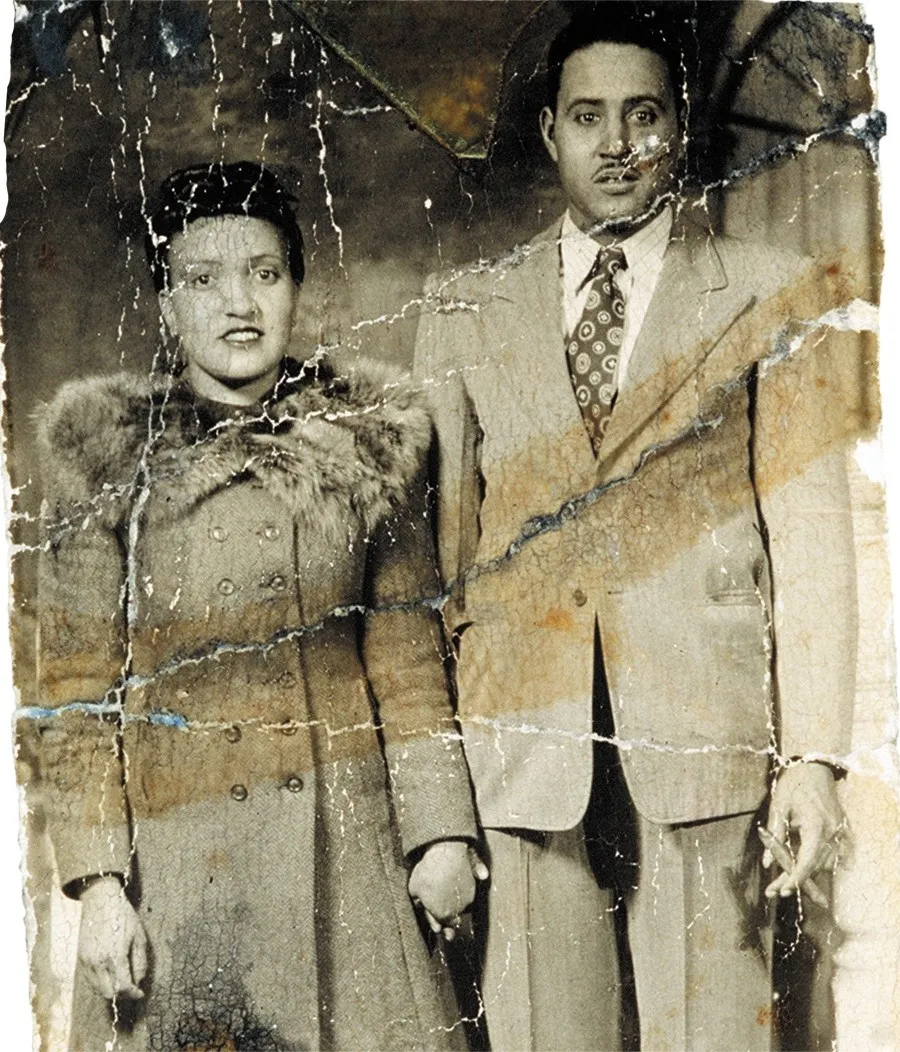
In October 2021, Henrietta Lacks's grandchildren filed a lawsuit accusing Thermo Fisher Scientific of capitalizing on the cancer cells taken, without Henrietta's consent, before her death in 1951. On what would have been Mrs. Lacks's 103rd birthday, a settlement was finally reached. Through the lawsuit they had accused Thermo Fisher Scientific of profiting from her cell line, known as HeLa, without their grandmother's consent. Alfred Lacks Carter Jr., her grandson, said the day could not have been more fitting for her justice and for the family to find relief.
Alfred said it had been a long fight of more than 70 years, and that Henrietta Lacks was finally getting her day.

The lawsuit, filed in U.S. District Court in Maryland in October 2021, alleged that Thermo Fisher Scientific commercialized the cells and tried to secure intellectual property rights over products developed from her cells without compensating the family or seeking its consent or approval. The terms of the settlement are confidential, according to lawyers for both sides.
The statements said the parties were pleased to have found a way to resolve the matter outside of court and would make no further comment.
At the press conference, Chris Ayers, one of the family's lawyers, hinted at the possibility of future lawsuits of this nature.
Ayers said the fight against those who profit, and choose to profit, from the deeply unethical and unlawful history and origins of HeLa cells will continue.
As a reminder, Mrs. Lacks died in October 1951, at the age of 31.
Since then, researchers around the world have used these cells, which have been cited in more than 110,000 scientific publications, according to the National Institutes of Health. Mrs. Lacks's family learned of this world-changing discovery and of the cell line in 1973, as detailed in "The Immortal Life of Henrietta Lacks", a book by Rebecca Skloot that was later adapted into a film with Oprah Winfrey as Mrs. Lacks's daughter, Deborah. Mrs. Lacks's descendants have expressed pride in her contribution, but also anger at her mistreatment by the medical establishment. The commercialization of her cells has deepened these frustrations.
The lawsuit against Thermo Fisher stated that the company made enormous profits using the HeLa cell line, while Mrs. Lacks's estate and family received nothing. The lawsuit argued that the company's choice to keep selling HeLa cells, despite the origin of the cell lines and the concrete harm it inflicts on the Lacks family, can only be understood as a choice to embrace a legacy of racial injustice embedded in the U.S. research and medical systems.
Despite reaching a settlement, Thermo Fisher had tried to have the case dismissed, arguing that the lawsuit was filed after the statute of limitations had expired, The Baltimore Sun reported. The family's lawyers argued that the time limit should not apply because the company continues to benefit financially from the cells.
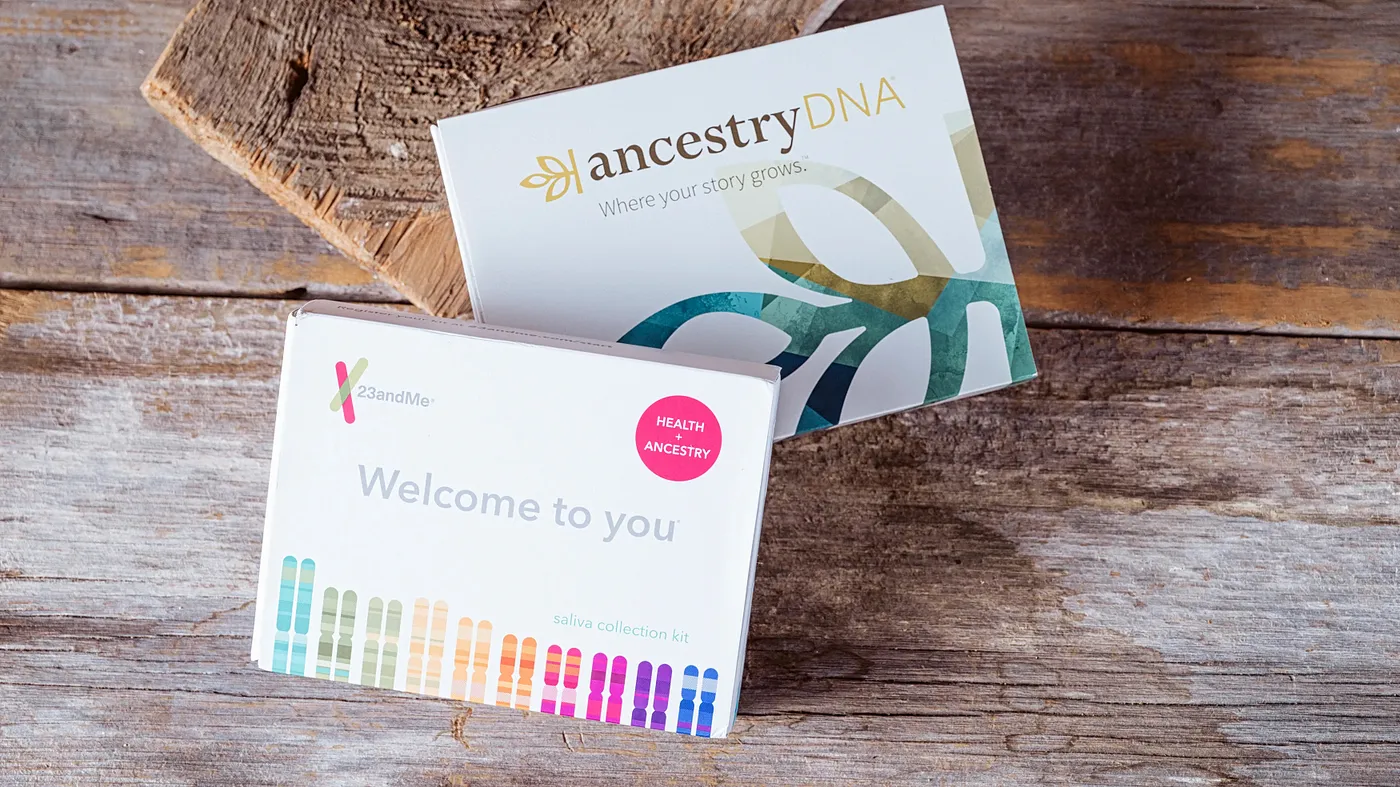
Today, we are in the era of commercial DNA tests. Companies such as 23andMe, AncestryDNA and MyHeritage DNA have brought genetic testing into the homes of millions of people around the world. Although they promise the appeal of finding distant relatives or identifying genetic predispositions to specific diseases, there is another side to this coin that often goes unnoticed.
The Terms and Conditions you "accept", often without a second thought or without reviewing them thoroughly, allow extensive use of your genetic material for the companies' benefit, while you receive no compensation. Sound familiar? Before you swab your cheek and send your DNA sample to these companies, remember to read their terms and conditions.
"The difference is that, unlike Lacks, we have a choice".
In this era of genetic testing and trade in personal data, understanding what we agree to has never been more important. Reading the fine print of any agreement with DNA testing companies, or with any other entity that handles personal biological data, should be as much a part of the process as the test itself. Knowing what these companies can do with your DNA information is not just advisable: it is essential.
Consumer advocacy groups and legal experts in the United States, Canada and the European Union are increasingly calling for clearer regulations on how these companies use the genetic information they collect. However, until such regulations are in place, the responsibility falls on the consumer. As we have learned from Henrietta Lacks's experience, the implications of sharing our biological materials are far-reaching. The story serves as a stark reminder for the present: we must advocate for our rights and make sure our personal genetic material does not become another story like that of Henrietta Lacks.
VELER: securing your genetic legacy; blockchain and AI as tools for data sovereignty and profitability.
The story of Henrietta Lacks underlines the importance of understanding and controlling how our biological and personal information is used. Today, as direct-to-consumer DNA tests gain popularity, individuals' genetic information is at risk of being exploited without adequate compensation or consent. The solution to this problem, however, could lie in the integration of cutting-edge technologies such as blockchain, artificial intelligence and even quantum computing.
Blockchain, the technology that underpins cryptocurrencies such as Bitcoin, is based on principles of decentralization, transparency and security. Applied to personal data, blockchain can guarantee individuals' absolute ownership of their data. Each piece of information can be recorded as a 'block' on the chain, allowing users to control who can access it and under what circumstances. This application is not just a theory; companies such as VELER Technologies are actively working to make it a reality.
By leveraging this technology, VELER Technologies seeks to offer a platform where users can securely store and manage their genetic information. Instead of handing your data to outside companies that may exploit it for profit, with VELER you keep full control of your genetic data from the moment the sample is taken.
But the potential of these emerging technologies goes beyond secure data storage. With the rise of artificial intelligence (AI), there is a new frontier in how we can derive value from our genetic data. VELER Technologies uses advanced AI algorithms to analyze the genetic data stored on its platform.
These algorithms can identify patterns and trends in the data, which can provide valuable information about a person's predispositions and health risks. This information can be fundamental to preventive health strategies, personalized medicine and the improvement of overall well-being.
By participating in research studies or pharmaceutical trials, users can share their anonymized genetic data in exchange for compensation. In this way, you contribute to scientific advances and receive a fair share of the economic and health benefits derived from your data.
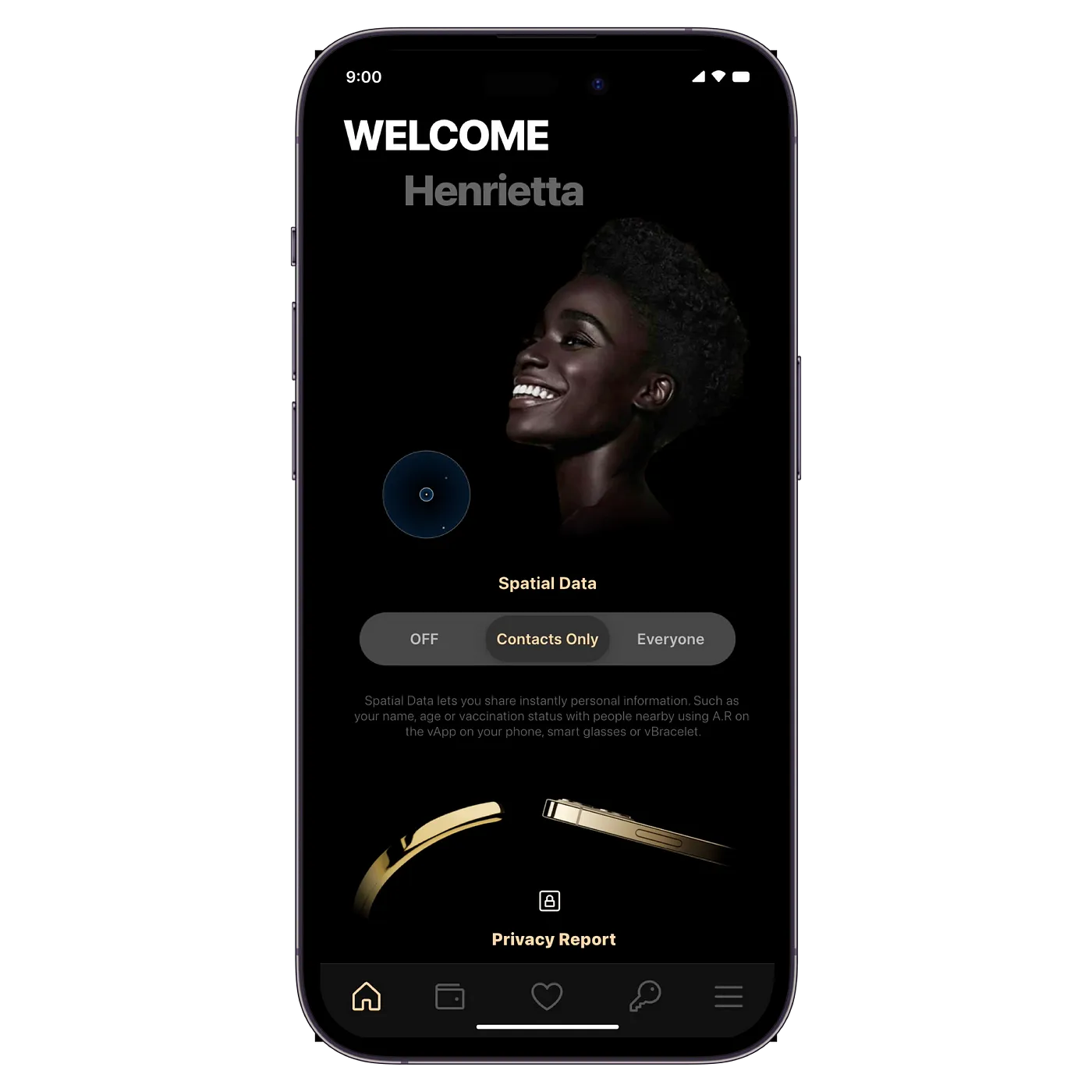
By empowering people to control and benefit from their genetic data, companies such as VELER Technologies are redefining the rules of the game, moving toward a more equitable and transparent model of data use. This change marks a departure from past injustices and a step toward a future in which the next Henrietta Lacks can control and benefit from her invaluable genetic contribution.
The latest company and industry news and updates, straight from VELER.