
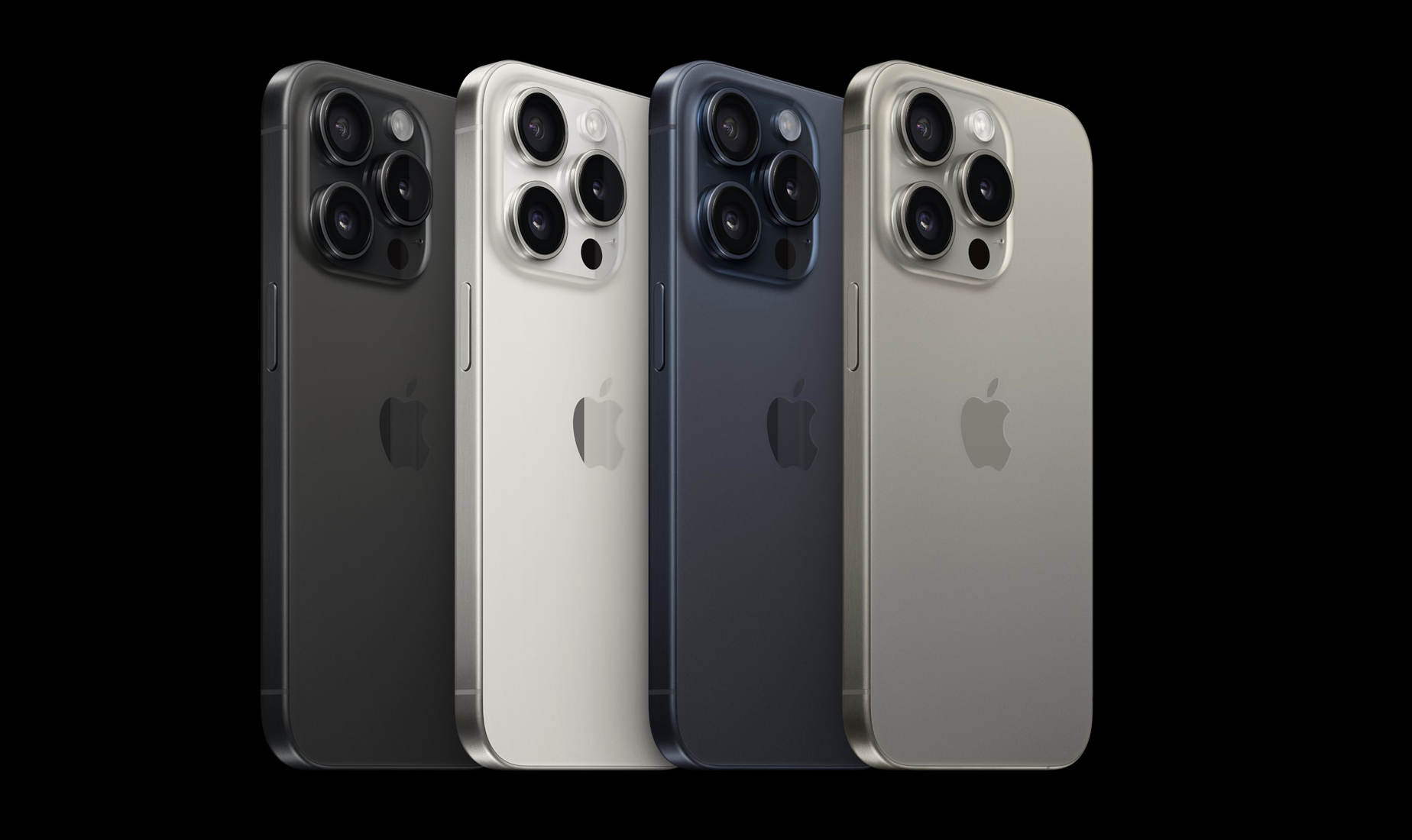
In the business world, two fundamental concepts in innovation strategy are "sustaining innovation" and "disruptive innovation". These approaches represent different strategies for product development and market expansion. In this article, we explore the distinction between these two types of innovation and analyze how Apple used both strategies to transform the mobile phone market with the iPhone, going from a niche brand for technology enthusiasts to a globally recognized luxury brand.
Sustaining innovation refers to the gradual improvement of existing products or services. In this approach, companies seek to optimize their current offerings to maintain or expand their market share. These changes can be incremental and are designed to meet customers' existing needs.
Before the launch of the iPhone, Apple was already known for its Mac computers and iPod music players. While these products were innovative in their own right, Apple mainly used sustaining innovation strategies to steadily improve their features and functionality.
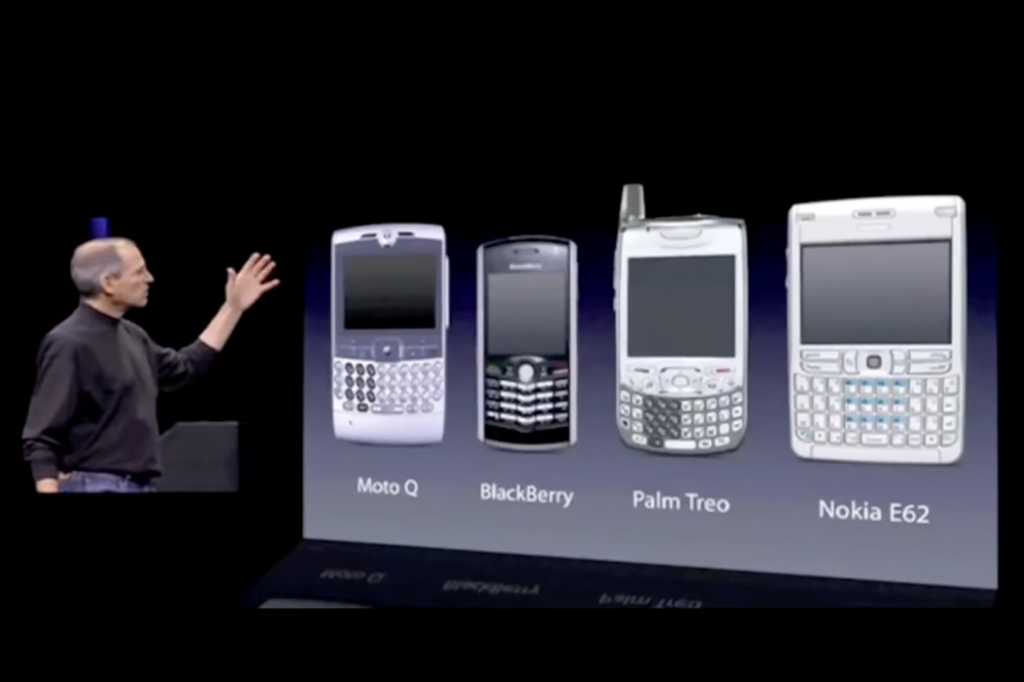
Disruptive innovation, by contrast, involves creating radically new products or services that challenge industry norms and can even replace existing offerings. Instead of targeting existing customers, it targets new market segments or customers who had not previously been adequately served.
When Apple announced the launch of the iPhone in 2007, it introduced a disruptive innovation, the touchscreen and an easy-to-use interface, to the mobile phone market. At the time, cell phones focused mainly on calls and text messages, with small screens and physical keyboards. The iPhone introduced a touchscreen, an intuitive user interface and the ability to run third-party applications. Apple set out to create a device that was much more than a phone: a true mobile platform.
The iPhone was initially launched as a niche product for technology enthusiasts and advanced users. However, as the platform matured and expanded, Apple adopted a sustaining innovation strategy to make the device more accessible and attractive to a wider audience.
Here are some of the ways Apple evolved the iPhone:
1. Apps and ecosystem: The App Store allowed developers to create applications for the iPhone, which significantly expanded its functionality and usefulness for users. The closed app ecosystem became a fundamental pillar of the iPhone's success. A closed app ecosystem can make it hard for users to switch from iOS to Android because of app incompatibility, the loss of data and content, the break in integration with other Apple devices and the need to find alternatives to Apple's services. This can make users feel "trapped" in their current ecosystem and discourage them from moving to a different platform.
The economic sustainability of staying in a closed ecosystem will depend on the user's individual preferences and needs, as well as their ability to manage the associated costs. For some, the convenience and optimized experience may justify the additional expense, while others may choose to look for cheaper or more flexible alternatives outside the closed ecosystem.
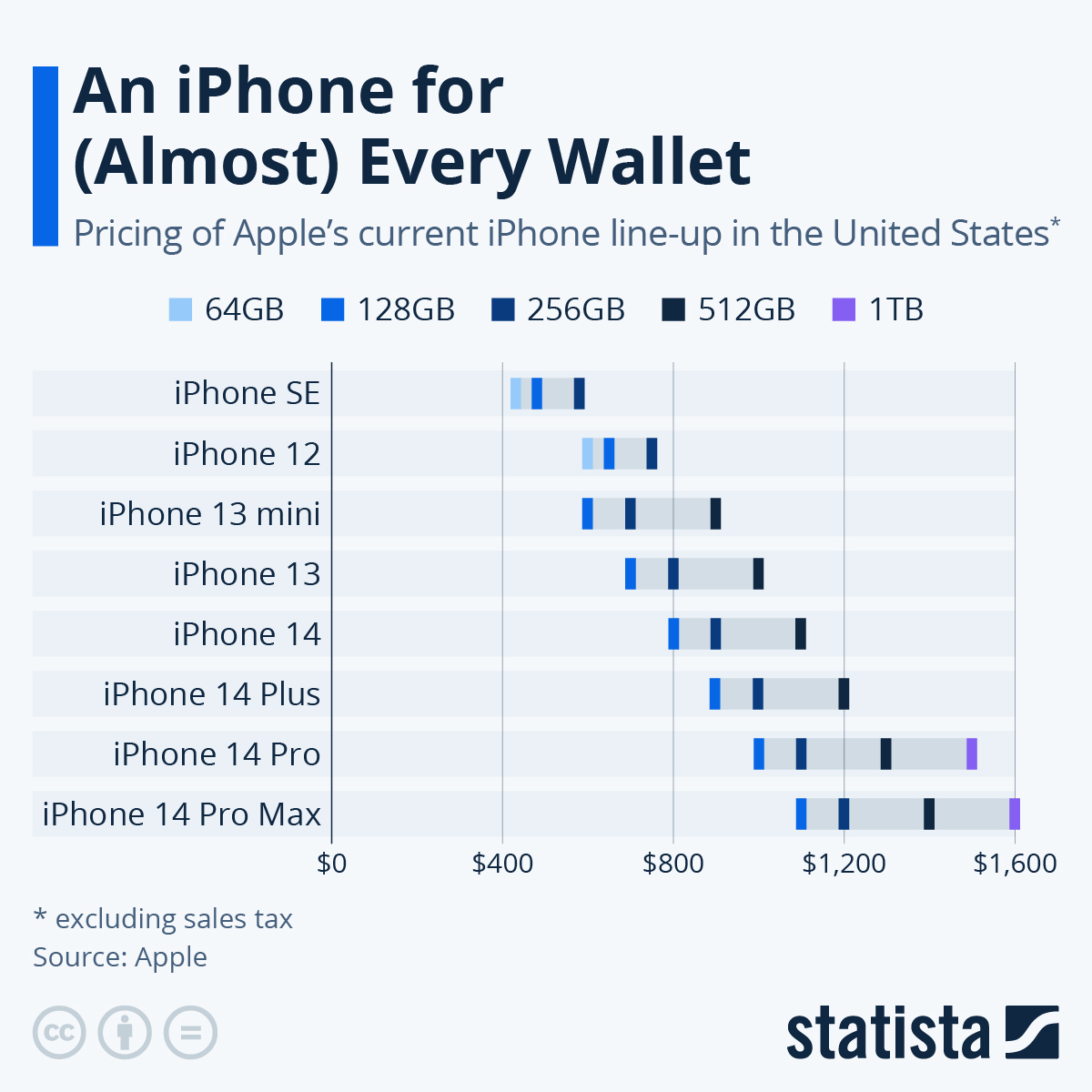
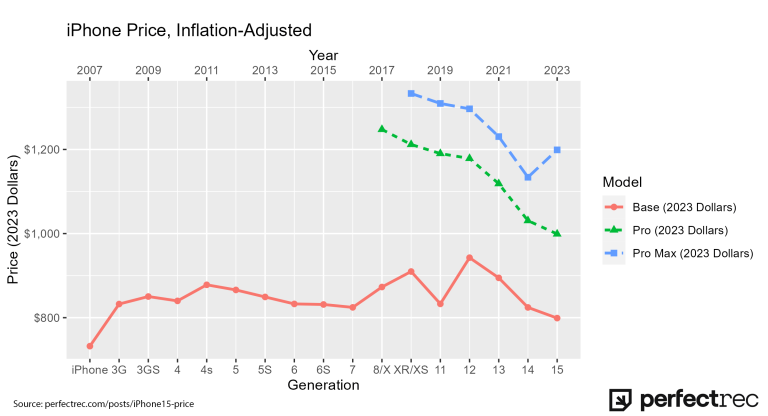
2. More accessible prices: Although iPhone prices were high from the start compared with other mobile phones, luxury was not its main market; its market was the "early adopters" who would pay a little more for something different and innovative. Little by little the iPhone gained more market share and, as its prices rose, Apple released later versions with a variety of models and prices so as not to lose sales, which allowed more people to access the iPhone.
3. Design and build quality: However, Apple focused on design and build quality, which turned the iPhone into an object of desire. The company adopted a luxury approach in terms of materials and finishes. This played an important role in increasing the average life of these devices to approximately three years. The focus on build quality and luxury design also had an impact on the residual value of Apple devices. Used iPhones remained highly valued in the second-hand market, which gave owners an opportunity to recover part of their investment if they decided to sell their old devices and upgrade to newer models.
4. Marketing and brand: Apple focused on building a luxury brand, using marketing and advertising campaigns to position the iPhone as a high-end product.
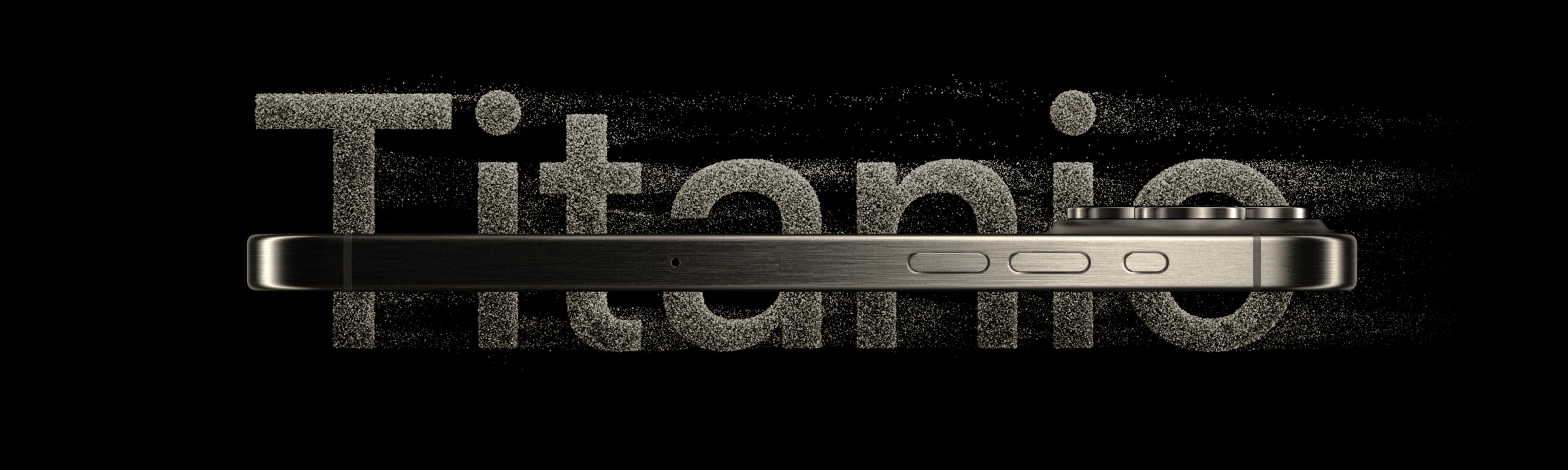
Today, the iPhone is much more than a technological device; it is a symbol of status and luxury. Apple's strategy of combining disruptive innovation with an evolution toward a broader market has been exceptionally successful. The company has managed to create a loyal customer base and a brand associated with innovation and prestige.
Apple is an outstanding example of how a company can use both disruptive and sustaining innovation to dominate a market. The iPhone not only changed the mobile phone industry, it also transformed the way we perceive and use technology in our daily lives. Its evolution from a niche product to an icon of technological luxury is a testament to its strategic focus on innovation and brand building.
Sustainability, when applied to a company like Apple, is a concept that goes beyond simply reducing spending on resources, marketing and innovation to constantly create new products. In Apple's case, sustainability refers to the company's ability to maintain a loyal and satisfied customer base over time, without relying excessively on planned obsolescence or on the need to continually launch revolutionary products.
From this perspective, sustainability implies a relationship of trust and mutual satisfaction between Apple and its customers. It means that Apple's products are not only of high quality in terms of design and performance, but are also durable enough to remain useful over a prolonged period.
For a user, Apple's sustainability translates into an investment that is worth it. It means that when you buy an Apple device, you get not only an efficient tool at that moment, but also the confidence that it will keep working well for years. You do not have to worry constantly about the next big update or about falling behind in technology.
However, Apple's sustainability also extends to the economic side. The company can maintain a steady flow of revenue over time, since users do not feel an urgent need to replace their devices as often as with other manufacturers. This also benefits Apple by building a loyal customer base willing to invest in its products again and again.
So, is buying the iPhone 15 really sustainable for your finances?
The latest company and industry news and updates, straight from VELER.